It has been a long 6 months since President Trump took office, turbulent to say the least. As I write this, the market sits at an all-time high, and surprisingly, economic indicators are looking good. However, policy effects can be slow and sluggish, taking a while to make themselves clear. What is on the horizon, given this volatile and fast moving administration, and how might it affect the economy going forward?
Tariffs or TACO?
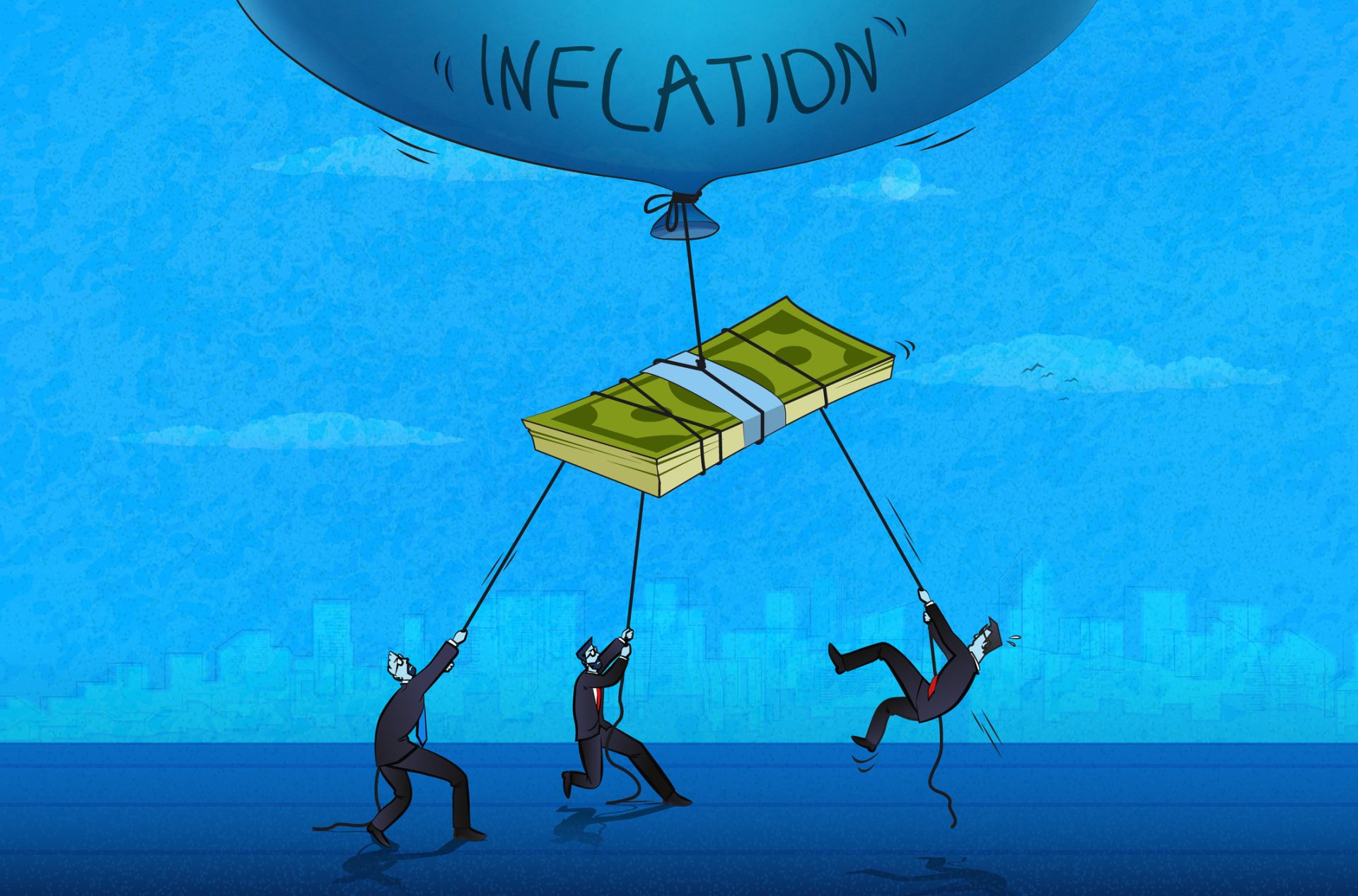
Trump’s “America First” trade push brought aggressive, erratic tariffs across multiple countries. This has triggered inflation fears, global trade tension, and supply chain disruptions. Firms are grappling with rising costs in many areas, from raw materials to retail goods. Many expect inflation to pick up, pressuring companies to raise prices and possibly pushing the Fed to maintain higher interest rates.
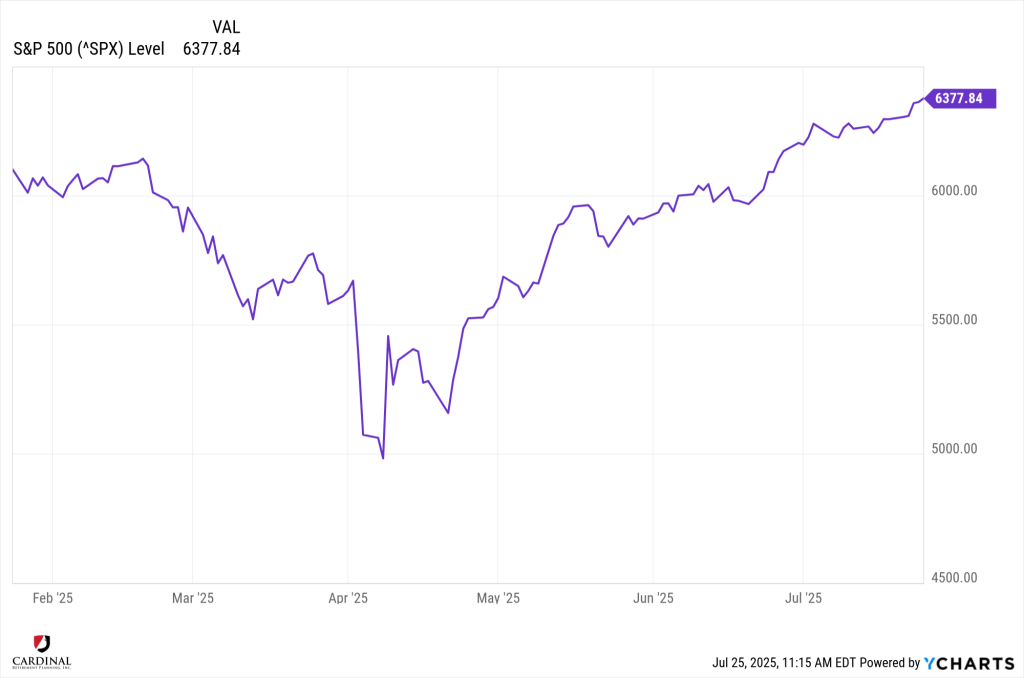
Since “Liberation Day” markets have more than recovered their initial losses (as you can see in the chart below), but the uncertainty and volatility remains. Initially, many firms absorbed tariff costs as it was unclear whether or not tariffs were going to be a lasting policy or a negotiating tool. Markets currently anticipate Trump’s tendency to “chicken out” (aka Trump Always Chickens Out, aka the “TACO trade”), which has kept consumer and investor panic in check so far. But the longer the tariffs have stayed, the more firms have passed on costs to consumers. We see this in the most recent CPI release on July 15th, which posted a higher than expected inflation number driven in part by tariffs.
Legislation and Immigration Policy
While the recent legislation that was passed certainly does provide tax cuts, it is probably not the tax cuts most people would want. Corporations and the ultra wealthy are receiving tax breaks, while low-income earners will see their share of taxes increase within the next few years. Millions of Americans will lose their health insurance and this effect of this will likely be seen over the next few years rather than immediately.
Analysts predict a $3 trillion deficit increase over the next decade, pushing the fiscal debt to historically high levels. The United States has historically been able to run a large deficit without consequences due to large international capital flows and the strength of the dollar. Now we have an unpredictable administration eroding our standing in the international community. This has caused the dollar to fall, which, coupled with an even higher deficit, could spell trouble. Smaller businesses and banks must walk a tightrope: deregulation may boost profits, but ballooning debt and inflation may undercut confidence and lower sales.
Tightened immigration and deportation policies risk shrinking labor supply in agriculture, construction, healthcare, lifting wages and fuelling inflation pressures. These labor constraints could curb GDP growth and spur long-term inflation trends. Over the next few years we will likely see a hit to GDP growth due to the forced deportation of migrants in the United States who are gainfully employed.
Short & Medium Term Risks
Sustained or escalated tariffs risk triggering stagflation (stagnant growth with elevated inflation), potentially forcing the Fed to maintain higher interest rates longer than planned. Right now the market is “buying the dip” because the expectation is that Trump will “chicken out” again. The playbook seems to be as follows: Trump announces tariffs, the market responds unfavorably and falls a bit, and then bullish investors immediately put money to work at the new, lower prices. However this is a risky bet, as he has proven to be unpredictable.
Additionally, the size of the federal deficit may drive up yields and borrowing costs, pressuring interest-sensitive sectors including housing and infrastructure planning.
These risks are compounded by threats to the integrity of the position of Fed Chair. The Federal Reserve is supposed to be independent and is responsible for maintaining stability, but this administration seeks more control. If Trump manages to fire Powell before Powell’s term ends in 2028 (or even if he does not), it is unclear who exactly will replace Powell. It is all but certain that the next chair will be a Trump sycophant who might lower rates as the president demands, even at a time when rates should not be lowered. This could make a bad situation worse.
Long Term Risks
In the long term, there are additional concerns. Just as consistent messaging reduces volatility, instability and uncertainty can cause knock-on effects in a variety of areas, increasing costs and the difficulty of trade.
If the federal deficit goes up and remains high, that could result in higher interest rates and debt-servicing burdens. At the same time, ongoing tariffs and tighter immigration policies could prevent inflation from returning to Fed targets.
Meanwhile, continued diversion of trade, potentially-permanent supply chain shifts, and fluctuating currency dynamics may encourage investors both foreign and domestic to position their money elsewhere. This would be a huge blow to the US markets and in turn increase the likelihood of fiscal unsustainability. Ultimately, this means we would no longer be able to enjoy a large federal deficit – consequences would have arrived.
The Trump administration’s recent policies – aggressive trade tariffs, extended tax cuts, deregulation, and tight immigration – have generated a complex economic mix.
Upside: tax savings, deregulated industries, short-run stock market rallies, small-business and financial sector gains.
Downside: inflationary pressures, market volatility, higher debt, tighter global trade, and labor-driven cost increases.
Going forward, the economic trajectory will depend heavily on whether tariffs are sustained or rolled back, how much deficit spending accelerates, and whether the Fed responds with more aggressive monetary tightening. Investors, consumers, and policymakers will be watching key economic data such as the CPI, earnings reports from publicly-traded companies, Fed minutes, and trade statistics to gauge the path ahead.
For now, the market is optimistic and earnings outlooks are positive causing some to revise previous forecasts higher for the stock market. We continue to be vigilant and wary about the current situation; while there are certainly upsides to the stock market and economy, the potential tail risks are higher than they have been in a very long time.
Anessa Custovic, PhD