
Trump term 2.0 – what now? Donald Trump and the Republicans have inherited a robust and strong economy from the Biden administration. The question now becomes: can they continue that trajectory or will we go down another path?
Inflation Trajectory
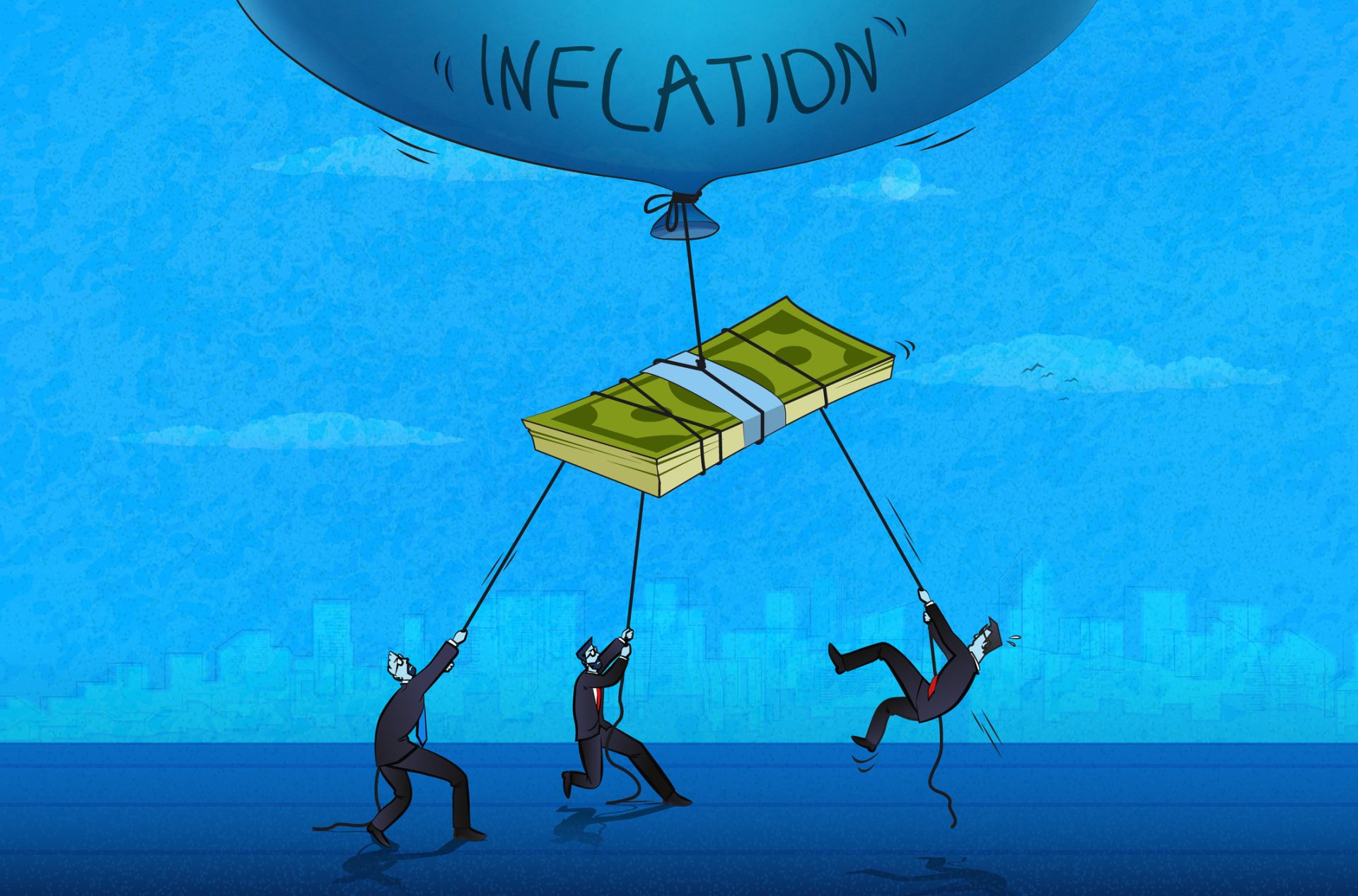
Higher inflation or higher sustained inflation are possible, whether driven by expansionary policies or restrictive ones. Expansionary policies include deregulation, tax cuts, and overall a more business friendly environment. President Trump’s expansionary policies could spur growth, resulting in higher GDP and record corporate profits.
Extending tax cuts is a goal for Trump and would increase the deficit further. Depending on the specific policies Republicans put forth, tax cuts could result in higher economic growth and more jobs in the long run.
It is likely that Republicans will continue to pursue their goals of cutting federal benefit programs like Social Security and Medicare. It is unclear how this would affect the economy in the short term – but it is clear that senior citizens would be adversely affected. This could cause a number of unintended consequences for the economy and healthcare system as a whole.
Almost immediately into his second term, Trump has shown he will not shy away from tariffs and protectionist policies. At times the effects of these can be difficult to dissect as he uses tariffs as a negotiating tool, but also we have seen that he is willing to implement them. If the tariffs stick, it will hurt the US consumer; that is unavoidable.
The tariffs are paid by the business in the United States which is importing the goods, which means prices would need to be increased for consumers to compensate businesses for their higher costs. However, the country the tariff is aimed at will suffer the most due to declining export sales. This in turn could potentially increase investment risk in international and emerging markets. Wells Fargo believes that this could result in a stagflationary environment. This means higher inflation and higher unemployment, and though Wells Fargo believes the effect would be modest, it is still an extremely undesirable situation to be in.
Throughout his campaign Trump promised mass deportations. His potential immigration policies can have detrimental effects for the economy as a whole and could be specifically disastrous for the domestic food supply. Given the low birth rate in the United States, we need immigration to maintain the size of the labor force. With mass deportations and strict immigration policies we could easily see consumer prices – especially food prices – rise as crackdowns increase. Many farm workers in the United States are undocumented, and there are accounts of many workers not showing up to work due to mass deportation scares. Some estimate this could raise food prices by more than 10 percent.
Monetary Policy Mystery
The future of monetary policy remains cloudy. Since it is unclear what policies will be implemented by the administration, the Fed will have a more difficult time deciding on timing. For now, cuts are paused given the most recent economic releases. It is unlikely that we will see any hikes this year, but we might have to wait on more cuts, and cuts may come at a slower frequency overall if expansionary policies heat up the economy.
Despite the uncertainty around monetary policy, we anticipate fixed income normalization. We have a chance to get back to a place where we no longer have yield curve inversion, which would mean investors get higher rates of return for longer-duration fixed income. It is unclear when this may materialize, so a ladder might be a good idea. Overall, fixed income remains very attractive.
Looking forward, the US economy and markets face multiple paths that can be taken. Some lead to solid GDP growth driven by expansionary policies and a strong equity market buoying investors. Other paths are more cloudy and dark, marred by protectionism and driving inflation higher for longer. We do not know what the future will look like with this administration. If we have learned anything from Trump’s first term, it is that anything and everything remains a possibility.
For investors, your best bet is to continue participating in the broad equity market and focus strongly on diversification to mitigate risk, as we will definitely experience higher volumes of volatility.
Anessa Custovic, PhD